Brake Repair in Coral Springs, FL
Brake Better with Triple J
Our Team Cares
Triple J Automotive in Coral Springs, FL, has what you need for your next brake repair service. Whether you’ve started to experience slower reaction times from your brakes or if you’ve noticed odd sounds, overheating, or pad/pedal sponginess, we want to step in. The technicians under our roof on West Sample Road are industry veterans, focusing on identifying and resolving issues on, inside, and underneath your car. We work with passenger and fleet models at our shop. With after-hours pick-up and drop-off, same-day service, financing, warranty coverage, and loaner vehicles, we strive to keep our customers satisfied. Brake repair might come as a total surprise to you, or it might be following a few months of delayed braking and strange odors, noises, and leaks. Whatever brings you to us, we will be a fast, friendly, and local group of experienced repair technicians with you in mind. Our clients continue to choose us over the dealer. Additionally, we offer same-day inspections of your brakes, so please reach out now. You can start a brake appointment by calling , visiting , or sending a message through our website.
Common Brake Repair Causes
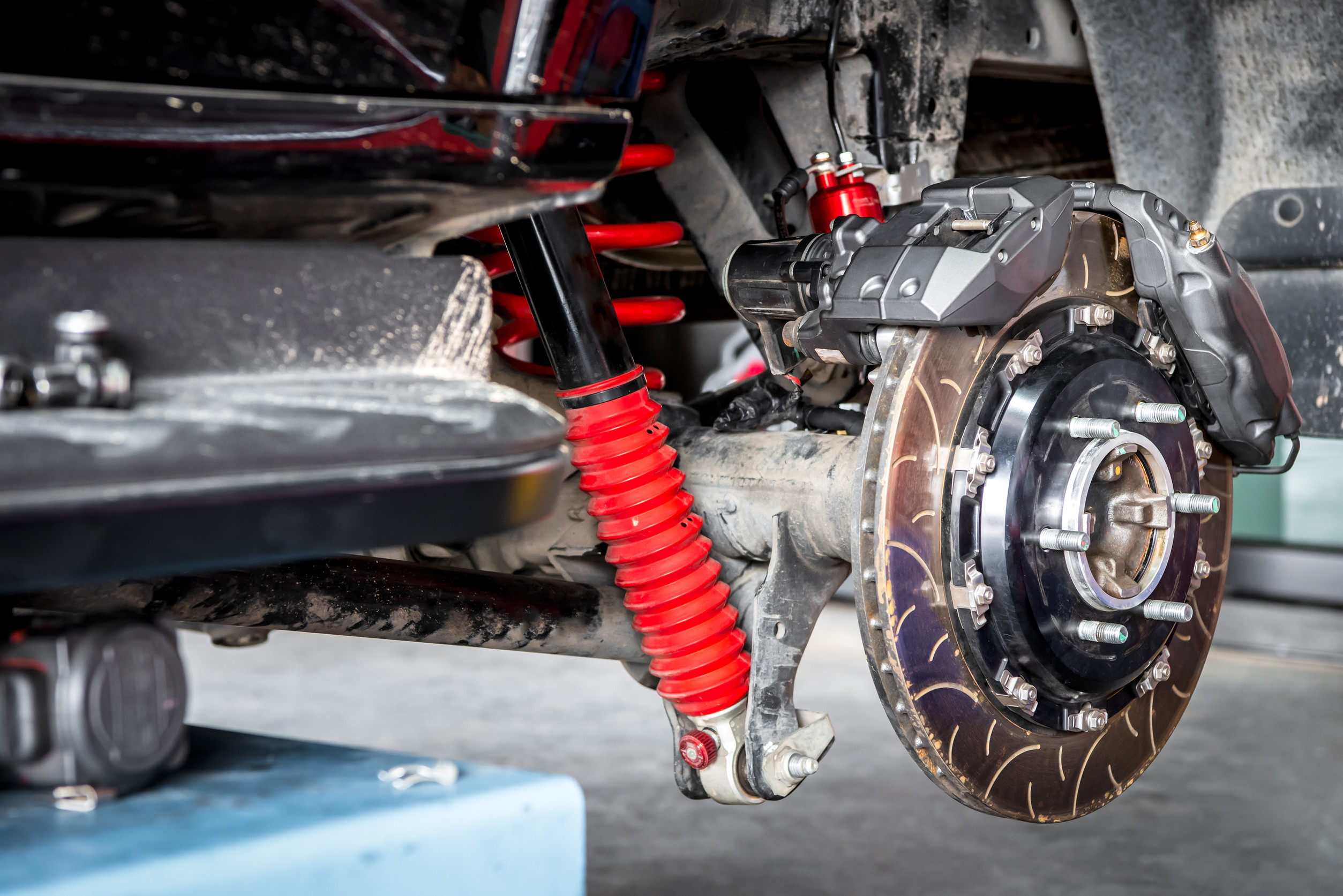
The minute you feel unsafe behind the wheel, our pros at Triple J Automotive are here to help. We have been brake repair experts in the community for many years. Triple J has certified teammates ready to get their sleeves rolled up and make repairs or replacements to your car, truck, or SUV. Some of the common brake repair triggers we see here at the shop on West Sample Road include worn brake pads, damaged brake rotors, brake fluid leaks, and issues with calipers or other brake components. The older your car gets, the higher the chance it will need brake repair. This is often in the form of part replacements or fluid changes, all to make sure you can stop and slow down on the road ahead. The last thing anyone wants is to lost control of their vehicle. Your brakes work through a hydraulic system, creating pressure between the pads and the rotating brake disc. This needs to happen for you to experience an immediate decrease in speed when stopping or slowing down your car. If not, it’s time to schedule an appointment with our industry experts.
Walk-Ins Welcome
As soon as you have a brake repair or a question about your car here in the community, Triple J Automotive is here to step in. We welcome last-minute and same-day appointments at our shop each day of the work week, and our staff are always ready to get started with repairs to this important safety component. When you arrive, please don’t hesitate to inquire about our 24-month/24,000-mile TechNet warranty and financing options. We’ll be happy to guide you through them. Don’t wait. Come see Triple J’s crew today!
Frequently Asked Questions